
Winter Fixture Congestion: How to Adjust Match Previews in December
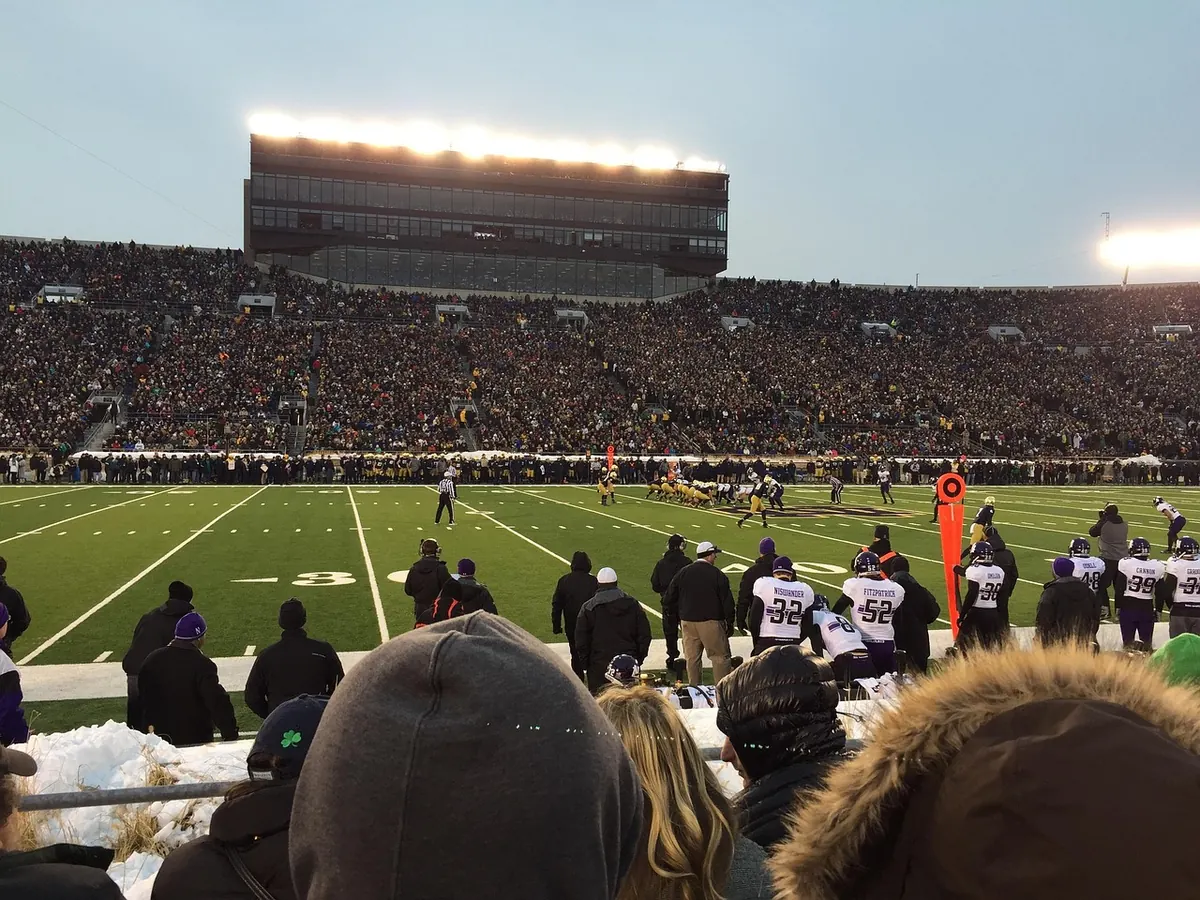
December rewrites the rulebook. A side that looked settled in late November suddenly has six matches in twenty days, a cup tie nobody had circled, and a flight home that lands at two in the morning. Previews built on autumn assumptions — one game a week, a settled eleven, a manager with five clear training days — start to age badly the moment the calendar tightens.
The answer isn't to sprinkle caveats over every paragraph. It's to change what you look at first, and in what order. What follows is a working method for the congested weeks: what to check before you write, which signals are worth trusting, and how to frame a preview so it still reads sensibly when the team sheet drops and half your assumptions are gone.
Start With the Calendar, Not the Form Table
Before form, before expected goals, before the head-to-head: open the calendar and draw a block around the fixture you're previewing. Five days back, seven days forward. That block tells you more about the likely shape of the game than a league table does in mid-December, because it tells you what each coach has been able to prepare and what he has had to sacrifice.
- Rest days, not gaps. A Saturday–Wednesday–Saturday run gives two recovery windows of roughly three days each. That is enough to play, not enough to train properly. Count the days between matches, not the days between dates.
- Extra time and penalties. A cup tie that went to 120 minutes plus spot kicks is a hidden extra fixture. It is the single most underrated detail in December previews.
- Who else is in the block. A manager protecting a European decider on the following Tuesday will treat the weekend differently from one with a free midweek ahead.
- Travel time, not distance. Airport queues, delays, a coach leg at the end. Two hours in the air can cost six hours of the day.
- Whether the opponent had a midweek off. Fresh legs on one side and heavy legs on the other changes the tempo of the first twenty minutes more than most tactical details.
Write the block down in two or three lines at the top of your notes. It becomes the spine of the preview.
Reading Rotation Before the Lineup Drops
Rotation is a rumour until the team sheet arrives. You cannot name the eleven, and pretending otherwise is how previews end up embarrassing. What you can do is describe the shape of the risk: how likely changes are, where they will fall, and what they would mean for how the team plays.
Signals worth weighing
- The manager's December history. Some coaches rotate heavily and early; others run the same core until it breaks. A season of team sheets tells you which one you're dealing with.
- Squad depth by unit. A club with two credible options in midfield but one recognised centre-forward rotates in midfield, not up front.
- Competition priority. A mid-table side in a domestic cup is a different proposition from one chasing a European place through the league.
- The next fixture. A derby or a continental decider four days later pulls selection towards it, whether or not the coach admits it.
- Players coming back. Returning names usually get minutes in the easier fixture of a block, not the hardest one.
Rotation isn't binary
Counting changes is the lazy version. Where the changes land matters far more. Some managers keep the back line intact and swap the front three, protecting structure and sacrificing sharpness. Others do the reverse, resting defenders and trusting attackers to win the game on their own. A preview that says "expect changes" without saying which unit is at risk is barely saying anything. If the spine of the team — centre-backs, holding midfielder, the one forward who makes the runs — stays in place, the patterns survive. If it doesn't, the game becomes harder to predict and the preview should say so honestly.
Travel Is a Tactical Variable, Not a Talking Point
Every December, previews lean on travel as a vague excuse. The useful version is narrower. The cost of a long trip is rarely the miles; it's the training session that disappears, the recovery that gets shortened, and the routine that gets broken. An away game two hours down the road by coach is close to neutral. A European away night with a Thursday return is not, because the squad effectively loses a full preparation day and arrives at the weekend with a compressed week behind it.
Ask three questions. How did they travel, and when did they get back? What did they lose — a session, a recovery day, both? And does the opponent's week look meaningfully calmer? Then decide how much weight the answer deserves. Sometimes it's the main story. Often it's a footnote. Saying which, and why, is the job.
Fatigue Signals You Can Actually See
You are not in the medical room, and a preview should never pretend to be. But several fatigue markers are visible from the stands if you know where to look, and they are more useful than the word "tired" on its own.
- Substitution patterns. Who comes off first, and at what minute? A winger withdrawn at the hour in three straight games is being managed, not dropped.
- Second-half intensity. Watch pressing volume after the break. A side that stops closing the ball in midfield is usually a side running on empty, not one that has chosen to sit deeper.
- Late concessions. Goals given away in the last fifteen minutes cluster around heavy schedules for a reason: concentration and legs go together.
- Build-up errors. Defenders who have played every minute start overhitting simple passes and taking touches they don't need.
- Repeated soft-tissue absences. A pattern of the same type of injury across the squad is a schedule story, not a coincidence.
Use these as supporting detail, never as a diagnosis. "Their midfield stopped tracking runners after the seventieth minute" is a match observation. "They are exhausted" is a guess wearing a costume.
Writing the Preview So It Survives a Rotated XI
Structure beats certainty in December. Build the piece around how each team wants to play and where the game will be decided — the space between the lines, the aerial duel at the far post, the transition after a turnover — rather than around eleven names. Those mechanisms travel through a rotation. A preview that hangs entirely on one forward starting will be wrong by lunchtime.
When you do discuss selection, frame it conditionally. "If the left side is rotated, expect the away team to target that flank early" gives the reader something to watch. A predicted eleven delivered as fact gives them something to argue with at 7pm.
Good December previews don't try to guess the team sheet. They tell you what changes will mean, whatever the manager decides.
Keep the confidence in your voice pitched to the evidence you have. A congested schedule is an argument for hedging on specifics — the exact scoreline, the exact lineup — not on the analysis itself. Be clear about what each side will try to do, and clear about the conditions under which that plan breaks.
Four Traps to Avoid
Assuming the bigger club rotates and the smaller one doesn't. Both are playing three games a week. Treating a dead rubber as meaningless. A cup tie with nothing riding on it is often the most rotated, most unpredictable fixture in the block. Ignoring the pitch and the weather. A heavy surface in December slows the game for both sides and rewards the team that plays direct. Deciding the result in the headline. Save the verdict for after the team sheet, and leave yourself room to change it.
A Five-Minute December Checklist
- Write down both teams' fixture blocks, five days back and seven forward.
- Mark rest days, extra time, travel and midweek free dates.
- Note which unit each manager is most likely to rotate, and why.
- Check the bench quality: what actually replaces the starters?
- Identify one visible fatigue marker you'll watch for during the match.
- Draft the key tactical question, then check it still holds if three players change.
- Set a reminder to revisit the selection paragraph an hour before kick-off.
Do that, and the busiest month of the season stops being a hazard and becomes the most interesting stretch to cover. Congestion doesn't make matches less predictable — it makes the reasons behind them more visible.
Photo: showerluv / Pixabay